
Experience Ladakh in Winter – A Journey into the White Silence
14 August, 2026

When the last autumn leaves fall and the cold Himalayan wind sweeps through the valleys, Ladakh transforms into something truly magical. The bustling summer crowds disappear, and the land turns into a frozen wonderland — quiet, pure, and breathtakingly beautiful. Winter in Ladakh is not just a season; it’s an experience of silence, resilience, and raw beauty that only the true traveler dares to explore.
How Ladakh Looks in Winter
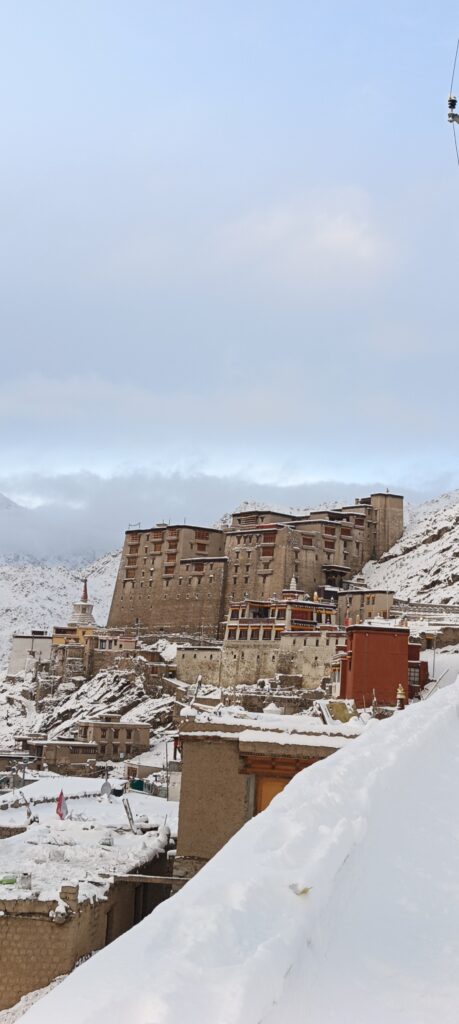
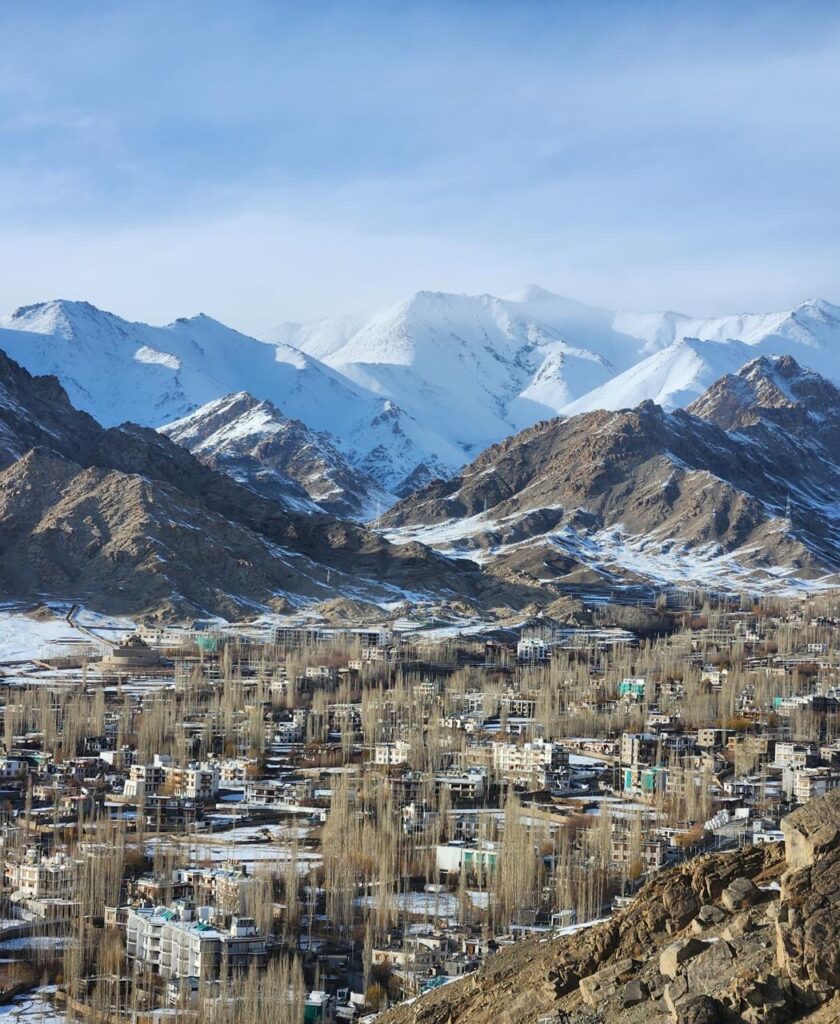
From November to March, Ladakh wears a pristine white blanket. The mighty Indus freezes at the edges, Pangong and Tso Moriri lakes turn into mirrors of ice, and the roads glisten with frost under clear blue skies. Days are calm and sunlit, while nights are dramatic — often dropping below –15°C in Leh and much colder in Nubra, Pangong, Hanle, and Tsomoriri.
Winter reveals the real face of Ladakh — rugged, spiritual, and peaceful beyond words.
Who Should Visit Ladakh in Winter
Winter in Ladakh is not for everyone — and that’s what makes it special.
If you’re seeking comfort, café-hopping, and green landscapes, summer is your season.
But if you are an adventurer at heart, someone who loves solitude, snow, and the raw power of nature — then Ladakh in winter is your calling. Photographers, trekkers, wildlife enthusiasts (especially those hoping to spot the elusive Snow Leopard), and spiritual seekers will find this time deeply rewarding.
Weather Conditions
Temperatures in Leh range between –5°C to –15°C, while regions like Pangong, Hanle, and Tsomoriri can plunge below –25°C. Days are sunny, but the air remains icy and dry. Oxygen levels are lower, so acclimatization in Leh for at least two days is crucial before venturing further.
Most internal roads remain open till Nubra and Pangong (via Chang La), but routes to Hanle and Tsomoriri may depend on snow conditions.
Activities to Do in Winter
Dos and Don’ts
Do:
Don’t:
What to Carry
Where to Stay
Almost 95% of hotels and guesthouses in Nubra, Pangong, Hanle, and Tsomoriri remain closed in winter due to freezing temperatures and limited electricity supply.
However, a few reliable hotels and homestays remain open in Leh and selected areas of Nubra Valley. These accommodations offer limited heating facilities, usually through wood or kerosene bukhari, or electric blankets where power allows.
Heating is typically available between 6 PM to 10 PM, and again early morning for a few hours.
Hence, it is essential to book your winter accommodation well in advance, especially if you plan to travel beyond Leh. Always confirm that your hotel provides room heating and running water (some places offer only bucket water in winter).
Final Thoughts
Winter in Ladakh is not about luxury or leisure — it’s about connection. Connection with nature, silence, and yourself.
You don’t just visit Ladakh in winter; you live it.
If you are ready for snow-dusted monasteries, steaming butter tea, and starlit nights at –20°C — Ladakh will welcome you with open arms.
Plan wisely, travel responsibly, and embrace the silence — Ladakh in winter will stay in your heart forever.
